
LED products compare to traditional lighting options
LED products are more efficient, versatile and last longer than traditional lighting options like incandescent or CFL bulbs. They also use a fraction of the energy and emit much less heat. Unlike traditional bulbs, LEDs are designed to direct their light in a specific direction. This eliminates wasted light and energy that would radiate outward from the bulb, reducing power consumption even further.
LEDs range in color from a yellowish hue that most closely resembles incandescent lights to a bright blue color that looks very similar to daylight (sometimes called “daylight”). LEDs with more of a yellowish tint are typically labeled as “soft white,” while those with a more blue-colored appearance are usually labeled as “cool white.”
The brightness of an LED is measured in lumens, a unit of luminous flux. The higher the lumen rating, the brighter the LED is. The color and brightness of an led products are influenced by its semiconductor material and the encapsulation that surrounds it. The color of an LED is also determined by the number and configuration of different colors it uses. LEDs can be arranged in groups to create red, green and blue (RGB) lights, as well as single-color LEDs that are often used as indicator lights.
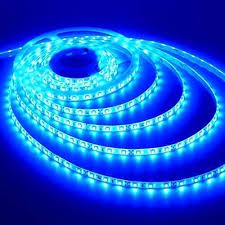
How do LED products compare to traditional lighting options?
Because of their smaller size and lower cost, LEDs are being used in a wide range of applications that require visual signaling. They are particularly well suited for use as status indicators or displays on equipment and installations. They can be grouped into large-area displays such as stadium displays or dynamic message signs on freeways. They can also be incorporated into decorative applications such as lighting and signage.
The specialized design of an LED allows it to operate very efficiently at low temperatures. This makes them a natural fit for refrigeration and refrigerated display cases. LEDs can also be used in outdoor applications such as parking lot and building perimeter lighting.
LED lights are instantaneously turned on and off and can be switched off and on frequently without affecting their life expectancy. This is a significant benefit in situations where lights are frequently dimmed or turned off for extended periods of time, such as those found in many office spaces and retail settings. In contrast, frequent on/off switching of traditional bulbs can dramatically reduce their lifespans.
Notebooks, loose-leaf paper, and printer paper are staples in any educational setting. Buying these items wholesale ensures that students have sufficient writing materials for note-taking, assignments, and printing needs.
The circuit board, or driver, of an LED bulb is what takes energy from the electrical socket and tells the individual LEDs what function to perform (such as turning on or off, dimming or changing color). The drivers protect the individual LEDs by regulating the voltage and current that flows through them. They also prevent overheating by limiting the amount of current that flows through an LED when it is not in use. Most LED bulbs with a driver feature a housing that also acts as a heat sink.