
lead-free options in PCB manufacturing
The push for lead-free options in PCB (Printed Circuit Board) manufacturing has gained significant momentum over the past few decades, primarily driven by environmental concerns and regulatory changes. Lead, a toxic metal, poses risks to human health and the environment, leading to its restriction in electronic components. In response, manufacturers are exploring and adopting various lead-free alternatives that ensure the reliability and performance of PCBs while adhering to environmental standards. This article discusses the key lead-free options available in PCB manufacturing.
One of the primary areas of focus in lead-free pcb manufacturing is the solder used to attach components to the board. Traditional solder, known as tin-lead (Sn-Pb) solder, contains lead and has been widely used for decades due to its excellent properties, such as a low melting point and good wettability. However, in lead-free manufacturing, alternatives such as tin-silver-copper (SAC) alloys have become the most popular options. These alloys typically consist of tin (Sn) combined with silver (Ag) and copper (Cu). SAC solder provides a melting point comparable to that of tin-lead solder and offers improved mechanical strength and thermal fatigue resistance, making it an ideal choice for high-reliability applications.
Another lead-free solder option is tin-copper (Sn-Cu) alloy, which is simpler and more cost-effective than SAC alloys. This combination has a melting point of around 227°C, making it suitable for many applications. While Sn-Cu solder may not provide the same level of performance as SAC, it is widely used in consumer electronics and other less critical applications due to its balance of cost and reliability.
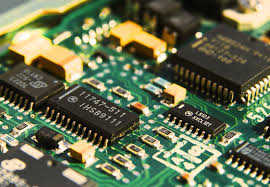
What are the lead-free options in PCB manufacturing?
Beyond solder materials, lead-free PCB manufacturing also involves selecting suitable surface finishes that enhance solderability while preventing oxidation. Common lead-free surface finishes include immersion gold (ENIG), immersion silver (ENIG), and organic solderability preservatives (OSP). ENIG is widely regarded for its excellent solderability and protection against corrosion, making it suitable for high-density and fine-pitch applications. Immersion silver, on the other hand, provides good solderability and is often used in applications where cost considerations are paramount. OSP, a more environmentally friendly option, offers a temporary coating that protects copper pads until soldering occurs.
When it comes to the PCB substrate, many manufacturers are transitioning to lead-free-compatible materials to ensure the entire assembly process adheres to lead-free standards. Materials like FR-4 and polyimide can be processed without lead, and new formulations are being developed to withstand the higher temperatures associated with lead-free soldering. These materials ensure the structural integrity of PCBs during thermal cycling and other stress conditions often encountered in electronic devices.
Adopting lead-free processes also requires considerations during the manufacturing and assembly stages. Many manufacturers are upgrading their equipment to accommodate lead-free soldering techniques, such as reflow and wave soldering, which operate at higher temperatures. Training staff to handle lead-free materials and implement new quality control measures is also essential to ensure a successful transition.
Despite the advantages, lead-free solder does present challenges. Higher melting points can lead to thermal stress on components and the PCB itself, necessitating careful design considerations to prevent failures. Additionally, some lead-free solders may exhibit lower wetting performance compared to traditional leaded solders, which can affect the reliability of joints if not managed properly.
In conclusion, the transition to lead-free options in PCB manufacturing is crucial for compliance with environmental regulations and enhancing product safety. Lead-free solder alloys, such as SAC and Sn-Cu, alongside suitable surface finishes and compatible substrates, are essential components of this transition. As manufacturers continue to innovate and adapt to these changes, the industry can ensure the production of reliable, environmentally friendly electronic devices that meet the demands of modern technology. This ongoing evolution highlights the importance of collaboration among manufacturers, designers, and regulatory bodies to foster sustainable practices in the electronics industry.